
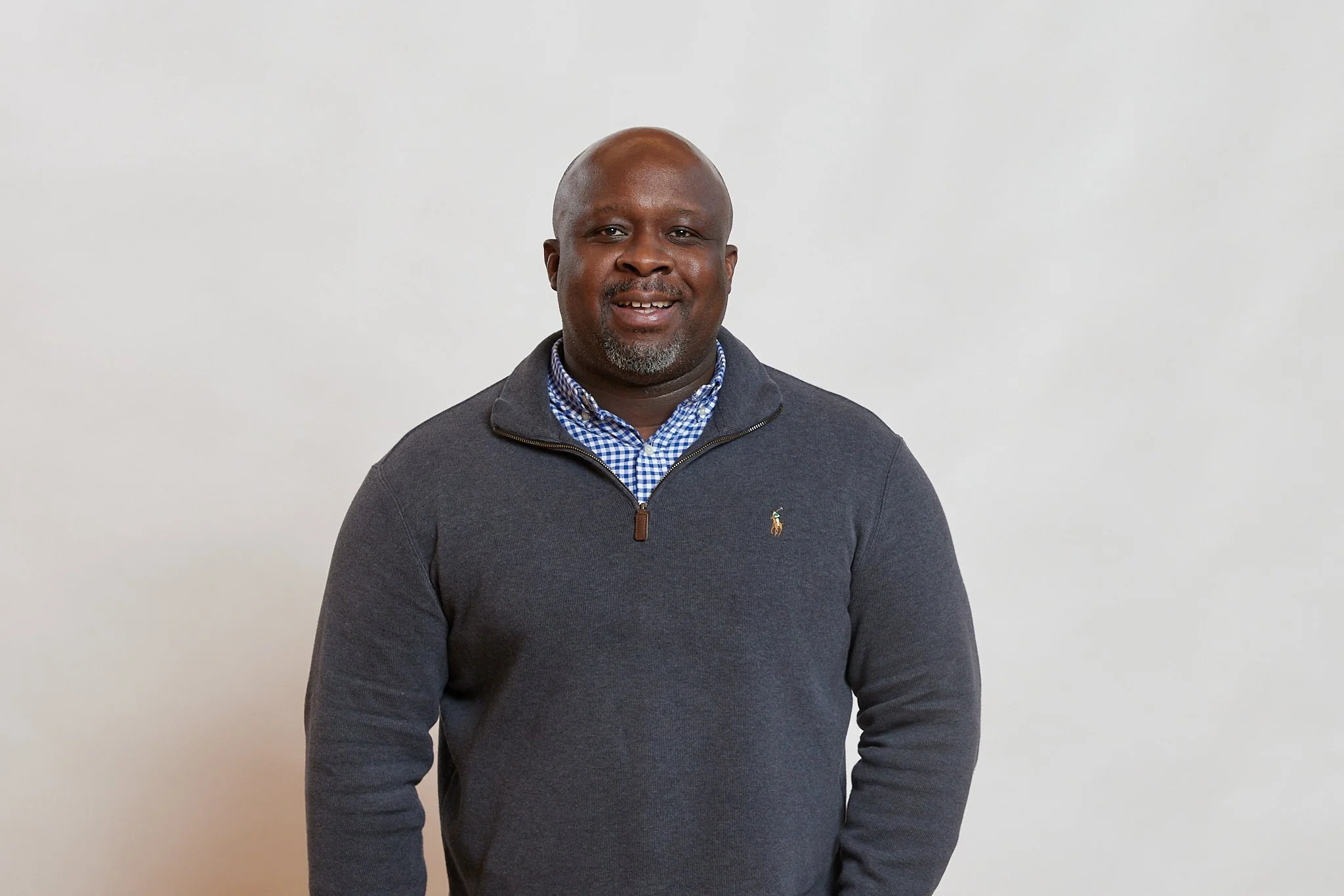
Psychiatrist. Change Agent. Practice Coach.
I help clinicians, practices, and health systems move from fragmented mental health care to structured, scalable shared care—starting with ADHD and expanding into broader collaborative care models.
What I do
Psychiatrist
ADHD assessment and treatment architecture, complex comorbidity management, and psychiatrist-led shared care delivered through AOA Clinic.
Go to AOA ClinicChange Agent
Implementing collaborative care and shared care governance—turning evidence-based models into real-world workflows that scale safely across clinics and systems.
Practice Coach
Supporting GPs and clinical teams to work at the top of scope through supervision, workflow design, and structured shared care enablement.
Evidence-driven, implementation-focused
My work bridges clinical psychiatry, health systems implementation, and digital infrastructure to support safe GP involvement as ADHD policy settings evolve across Australia.
CP365: collaborative care IT infrastructure
CP365 supports collaborative care when providers work across different clinics—by keeping one shared care plan visible, updatable, and clinically usable across the care team.

How I work
- Diagnose the bottleneck — workflow, governance, access, and safety constraints.
- Design the shared-care workflow — roles, escalation thresholds, and documentation standards.
- Implement with training + supervision — vocational, relationship-based capability building.
- Measure and iterate — quality, safety, and functional outcomes (work/study/life).
Advisory & consulting enquiries
For health systems, employers, payors, and clinical networks implementing shared care, collaborative care, GP capability expansion, and safe escalation pathways.